Shopping Cart
No products in the cart.

◈ Tees Hub

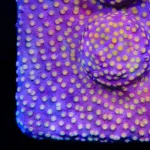
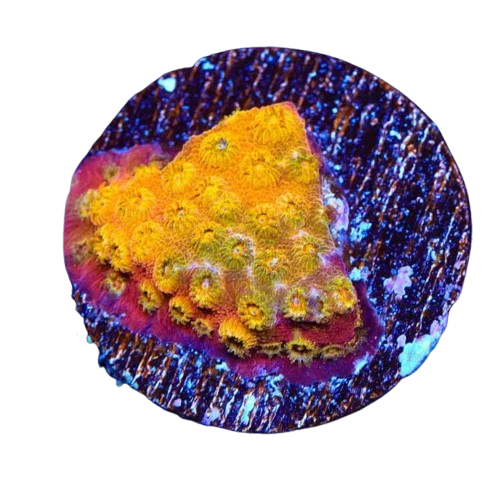
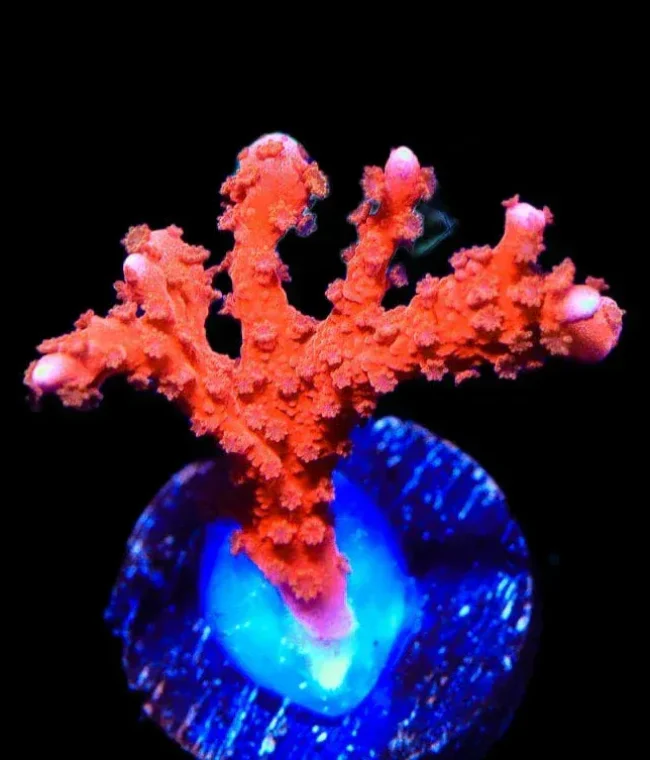
ACI Manila Spy Montipora Coral

top-shelf-aquatics-aci-manila-spy-montipora-coral-1216994499

ACI Manila Spy Montipora Coral

Overview

ACI Manila Spy Montipora Coral shows a plating to encrusting growth form with fine, closely spaced polyps. Montipora sp., a small-polyp stony coral, prefers moderate to strong light and moderate to high, stable water flow. It is primarily photosynthetic through symbiotic algae but can benefit from occasional small-particle foods, which may support growth and coloration. Place on stable rock with room to spread, and keep distance from aggressive, stinging neighbors to avoid tissue damage.

Quick Facts

Care

Moderate

Lighting

Moderate–High

Flow

Moderate-High

Placement

Mid–High

Temperament

Peaceful (2–3 inches spacing)

Recommended Parameters

Temp

76–80°F

pH

8.1–8.4

Salinity

1.025–1.026

Calcium

420–450 ppm

Alkalinity

8–10 dKH

Magnesium

1280–1350 ppm

Feeding

photosynthetic (primary), phytoplankton, rotifers, copepod nauplii, microplankton, powdered coral foods (e.g., Reef-Roids), marine snow, bacterioplankton, amino acid supplements

ACI Manila Spy Montipora Coral (Montipora sp.) thrives with stable, clean water and steady nutrition. Provide moderate–high light (200–300 PAR) and strong, randomized flow to keep polyps active and prevent detritus from settling on plates and ridges. Start at lower light and increase over 10–14 days to avoid bleaching. Target mid–upper rockwork with room to grow; Montipora encrusts and plates quickly, so leave 2–3 inches from neighbors and avoid direct contact with aggressive LPS or long sweepers. Ideal parameters: temperature 24–26°C (75–78°F), pH 8.1–8.4, salinity 1.025–1.026, alkalinity 8.0–9.5 dKH, calcium 400–450 ppm, magnesium 1250–1350 ppm, nitrate 2–10 ppm, phosphate 0.03–0.08 ppm. Use reliable test kits and a refractometer; watch alkalinity closely, as rapid swings often trigger tissue loss.Feed small-particle foods 1–2 times weekly (reef roids, rotifers, phytoplankton, amino acids), keeping nutrients balanced to avoid browning or pale tips. Dip new frags to prevent Montipora-eating nudibranchs and inspect at night for eggs; consider a wrasse for ongoing patrol. Acclimate by matching temperature and salinity, then drip for 20–30 minutes. Signs to watch: bleaching (too much light or too little nutrients), recession from the base (alk swings, pests, or low flow), and dull color (insufficient light or very low nitrate/phosphate). Maintain good flow paths, avoid shadowing from faster growers, and refrain from handling the tissue; hold by the plug or dead skeleton when moving.
Frequently Asked Questions

Why does my ACI Manila Spy Montipora switch from encrusting to plating, and how can I encourage that signature shelf growth?

Many Montipora start by encrusting to anchor, then plate once they sense stable light and flow. Give strong, turbulent flow and a wide, evenly lit area with minimal shading. Mount the frag on a vertical edge or the lip of rock so new growth can “catch” light. Avoid crowding; self-shading stalls shelf formation.

Yes. This strain often shows higher contrast polyps and base under blue-heavy spectrum. Keep PAR moderate-high but avoid sudden jumps. Maintain steady nutrients (nitrate 5–15 ppm, phosphate 0.03–0.1 ppm). Trace balance matters: potassium near 400 ppm supports reds/pinks, iron/manganese help greens. Excess nutrients brown it; ultra-low levels wash it out.

That suggests Montipora-eating nudibranchs. Inspect after lights out with a flashlight; remove adults with tweezers and siphon egg spirals. Perform repeated dips (iodine or coral-safe pest dips) every 4–5 days to catch hatch cycles. Increase random flow around edges. Isolate the colony, and consider a wrasse known for picking pests as a support, not a cure.